
SEO
What is a canonical tag?
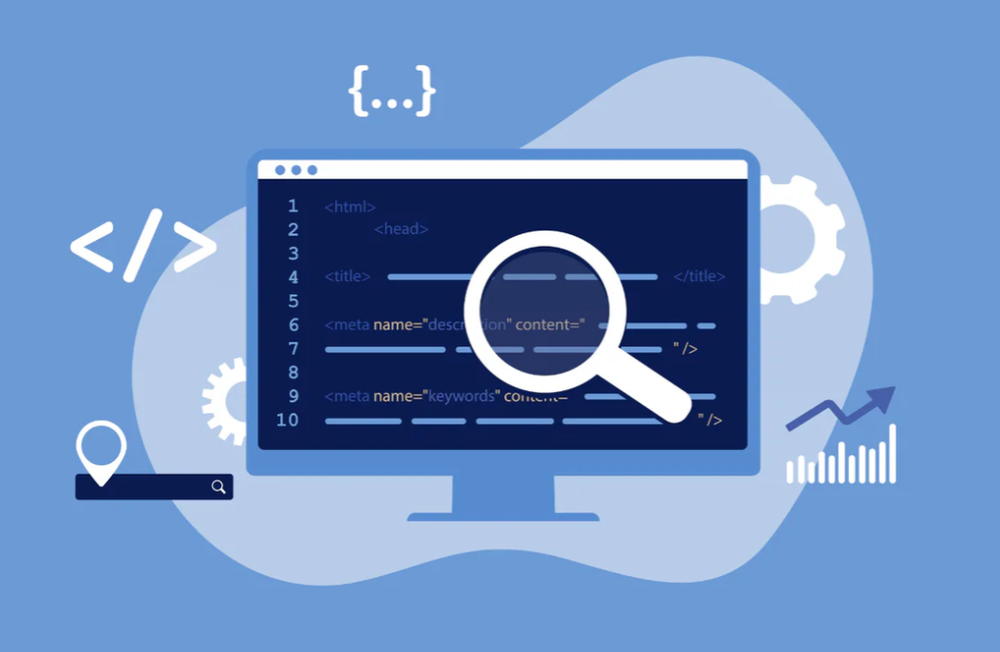
A canonical URL is the most representative page URL that a search engine considers among a group of duplicate pages on your website.

SEO
Search engine specific meta tags
Metabot tags are instructions that search engines will always follow. Adding these robot tags makes it easier for search engines to index your website.
SEO
What are robots.txt files and XML sitemaps?
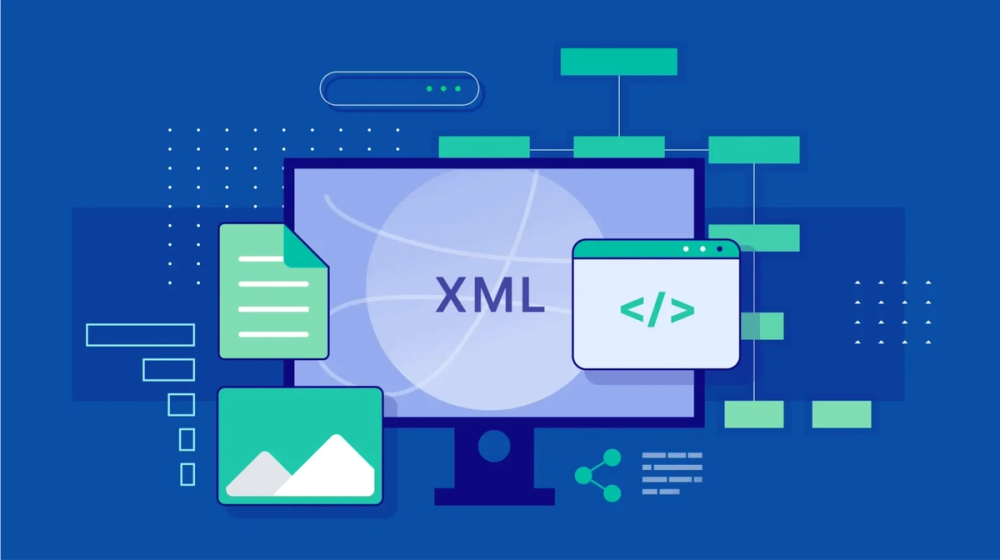
Robots.txt is a standard file located in the root directory of the website. It is used to tell search engines which resources can or should not be crawled, thereby protecting sensitive areas; while the site map actively provides guidance for crawling and lists pages and files that can be indexed. The two work together to ensure search engines traverse your site efficiently and intelligently.
SEO
What are HTTP status codes?
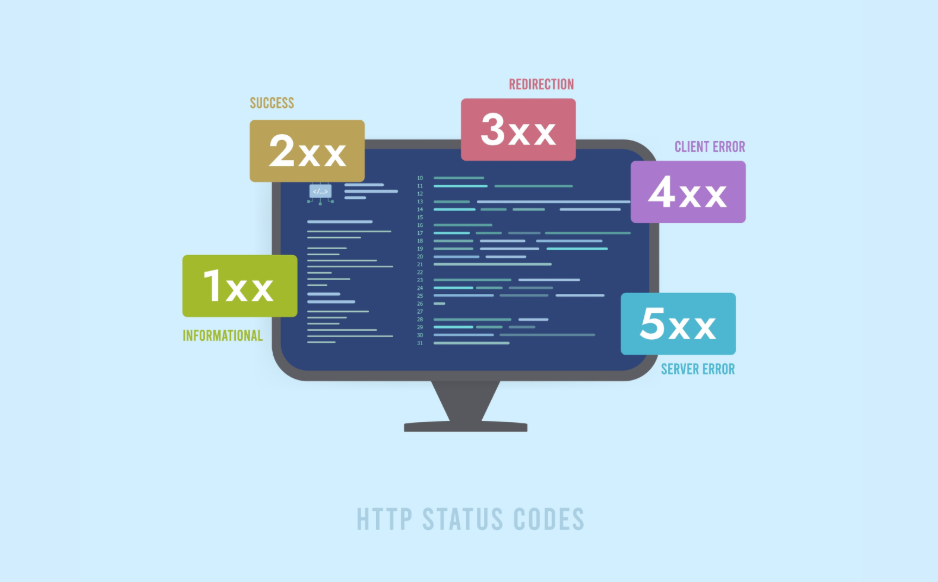
HTTP response status codes indicate whether a specific HTTP request has been successfully completed. There are many types of status codes, but only a few are meaningful in an SEO context.
SEO
What is a web crawler?
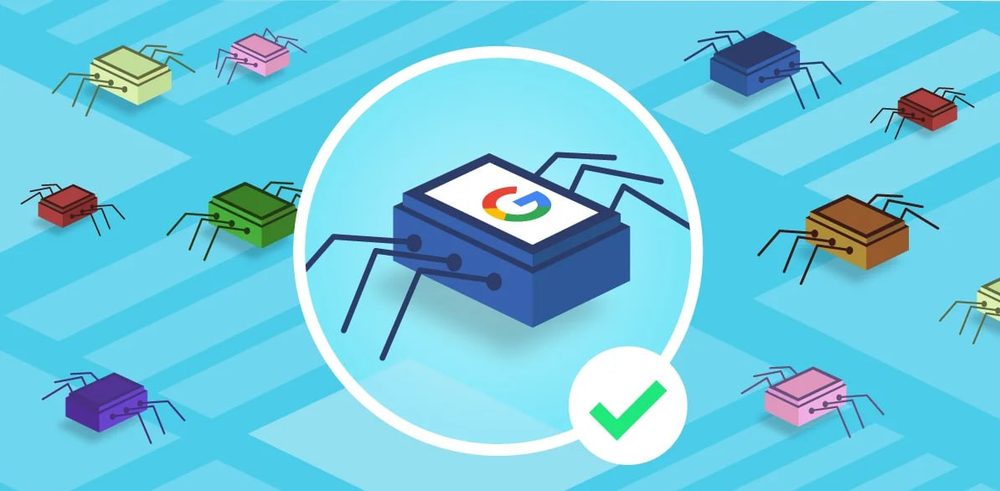
To get your website into search results, Google (and other search engines like Bing, Yandex, Baidu, Naver, Yahoo, or DuckDuckGo) uses web crawlers to browse websites and discover their pages. A web crawler is a robot that mimics human browsing behavior, discovering new content by following links between web pages and feeding it into the indexing process. Different search engines have different market shares. This guide primarily focuses on Google, which dominates most of the global market.
SEO
What is a search engine system?
Search Systems are what you typically refer to as Search Engines (Google, Bing, DuckDuckGo, etc.). They are massively complex systems that tackle some of the biggest challenges in technology history.
SEO
What is SEO? Why is SEO so important?
SEO stands for Search Engine Optimization. The goal of SEO is to create a strategy that will increase your rankings position in search engine results. The higher the ranking, the more organic traffic to your site, which ultimately leads to more business for you!