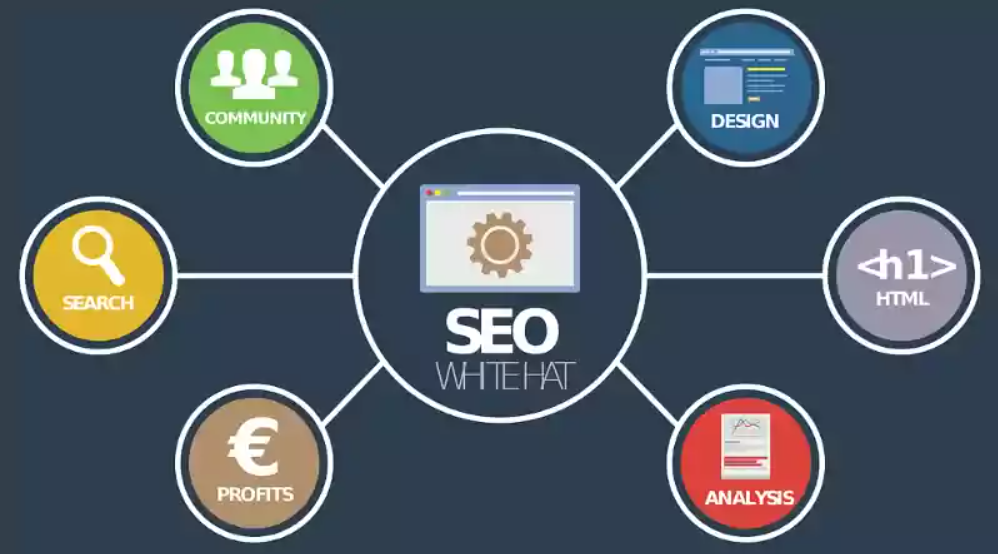
Optimizing a single page essentially involves clearly conveying the page's content to search engines while providing visitors with an excellent reading experience. This is like preparing a carefully crafted "self-introduction" for your page, allowing search engines to quickly understand and favor it, and enabling users to easily find the information they need.
Core elements and execution details of optimizing a single page:
Foundation: Deep Alignment of Keywords and Search Intent
The first step in optimizing a single page isn't simply making changes, but rather strategic planning. This foundation lies in precise keyword research and search intent analysis. You need to be clear: which core keywords and related long-tail keywords is this page primarily ranking for? More importantly, you must deeply understand the user's search intent—are they seeking information, comparing products, or intending to buy? A page's success depends on whether its content perfectly meets this underlying need. For example, users searching for "best laptops" are in the research phase; they need detailed comparisons, reviews, and purchase recommendations, not a page that directly asks you to buy. Before you begin writing or revising content, ensure you've accurately answered the core question: "What do users want?"
Key Signal: Refined Optimization of Page Elements
After clarifying the strategy, we need to refine the optimization of several core page elements that search engines pay the most attention to:
Title Tag: This is one of the most important page elements. It should contain the core keywords and be placed at the beginning to maximize its weight. At the same time, it is also an "advertisement" to attract clicks, so it needs to include calls to action or sentimental words, and its length should be strictly controlled within 50-60 characters to prevent it from being truncated in search results.
Meta Description: While it doesn't directly improve ranking, a compelling meta description can significantly increase click-through rate. It should summarize the page's core value in 1-2 sentences, naturally incorporating keywords and stimulating users' desire to click. The length should be around 150-160 characters.
URL Structure: A clear, static URL containing the core keywords (e.g., /topic/keyword/) is easier to understand and share than a long URL full of parameters (e.g., /?p=123).
H1 Tag: Each page should have one and only one H1 tag, serving as the main title of the content. It should be consistent with the main title tag, reinforcing the page's theme.